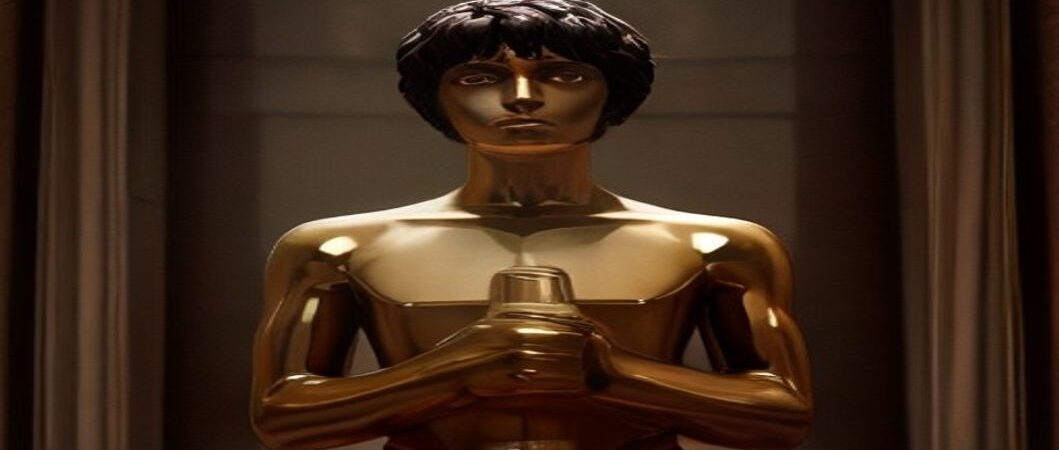
Few events capture the global imagination quite like the Academy Awards. More commonly known as the Oscars, this annual spectacle transcends a mere awards ceremony, transforming into a cultural touchstone that celebrates cinematic achievement, sparks fervent debate, and parades the very essence of Hollywood glamour. For nearly a century, the golden statuette has symbolized the pinnacle of film artistry, an aspiration for every filmmaker, actor, and crew member. But beneath the dazzling red carpet and the tearful acceptance speeches lies a rich, complex history, riddled with triumphs, controversies, and an ongoing evolution that mirrors the ever-changing landscape of cinema itself. The Oscar ceremony is a fascinating blend of art, commerce, and pure entertainment, reflecting the dreams and dramas of the silver screen onto the world stage.

From Industry Dinner to Global Gala: The Oscar’s Journey
The Academy Awards began in 1929, conceived by Louis B. Mayer of MGM, primarily to unite Hollywood and enhance its image. The first ceremony, a private dinner at the Hollywood Roosevelt Hotel, was a far cry from today’s televised behemoth. Winners were announced three months in advance, and the event lasted a mere 15 minutes. The iconic golden statuette, designed by Cedric Gibbons, soon became a coveted symbol, adopting its official nickname, “Oscar,” by 1939. The advent of television broadcasting in 1953 dramatically expanded its reach, turning a niche industry event into a live global spectacle. This shift transformed the focus from an internal celebration to a public entertainment event, complete with fashion scrutiny and collective anticipation. Over the decades, the ceremony has evolved its format, introduced new categories, and continually adapted to technological advancements and societal shifts, all while striving to maintain its prestige and relevance in an increasingly fragmented media landscape.
The Red Carpet Rhapsody and Unforgettable Moments
The allure of the Academy Awards extends far beyond the actual presentation of awards. The red carpet preceding the ceremony has become an event in itself, a sartorial battlefield where designers showcase creations and celebrities make indelible fashion statements. Millions tune in to witness the glamour and daring choices, transforming a mere entrance into a global fashion show. This spectacle builds anticipation and feeds the public’s appetite for celebrity culture. Inside the Dolby Theatre, the magic continues. The meticulously choreographed production, star-studded audience, live musical performances, and dazzling set designs contribute to unparalleled grandeur. Every year brings new “Oscar moments” – from emotional acceptance speeches that resonate deeply, like Sally Field’s “You like me, you really like me!” to more recent poignant calls for social change; from unexpected upsets to triumphant standing ovations. These moments become indelible parts of cinematic history, endlessly replayed and discussed, solidifying the Oscars’ position not just as an awards ceremony, but as a cultural event stitched into our collective memory, celebrating both individual achievement and the collective artistry of filmmaking.
The Golden Paradox: Artistry, Box Office, and the Oscar Conundrum
For all its prestige, the Oscars are frequently debated: do they honor the best films, or reward popular taste and industry politics? Critics highlight a disconnect between acclaimed cinema and box office blockbusters. Historically, Oscar-winning films aren’t always commercial giants, creating tension between artistic merit and popular appeal. While the Academy votes on merit, biases and campaigning influence outcomes. A persistent narrative suggests Oscars favor specific genres—dramas, biopics—often overlooking independent or genre films, leading to frequent “snubs.” Conversely, some argue Oscars elevate smaller, art-house films to wider audiences; a nomination or win significantly boosts a film’s commercial performance. The golden statuette carries powerful economic weight. This delicate balance between popular appeal and pure artistry remains a tightrope walk for the Academy, continually fueling dialogue around nominees and winners, underscoring the complex nature of cinematic evaluation at the highest level.
Navigating Stormy Waters: Diversity, Viewership, and the Oscar’s Future
The Oscars, like any long-standing institution, have faced significant controversies. The #OscarsSoWhite movement (2015-2016) highlighted a glaring lack of diversity, forcing the Academy to diversify its predominantly white, male membership by inviting thousands of new members globally. Progress is ongoing, but the issue remains. Beyond diversity, the ceremony grapples with declining viewership, attributed to longer runtimes, less recognizable nominees, and shifts in content consumption. Efforts to revitalize the show, from hostless ceremonies to moving technical awards to commercial breaks, have met mixed reactions. Host choices are often flashpoints, balancing humor with potential offense. Moreover, the definition of a “film” in the streaming era sparks debate, with traditionalists clashing with platforms like Netflix over eligibility. These challenges underscore the Academy’s struggle for relevance and representation in a rapidly evolving global media landscape, constantly balancing tradition with modernization.
The Golden Touch: How an Oscar Shapes Destinies and Trends
Winning an Oscar can be a transformative, career-defining achievement. For actors, it often translates into more substantial roles, higher pay, and increased creative control. Directors gain leverage for ambitious projects, and screenwriters see their scripts gain attention. The “Oscar bump” isn’t just for individuals; a Best Picture win, or even multiple nominations, significantly boosts a film’s box office, secures its legacy, and ensures its presence in cinematic discourse. Studios strategically campaign for Oscars not just for prestige, but for tangible financial benefits. An Oscar win also carries weight internationally, signaling quality and drawing global audiences. Beyond individual careers, the Academy Awards influence broader industry trends, spotlighting emerging talent, validating new genres, and bringing attention to important social issues through the narratives they honor. The collective choices of the Academy, while sometimes criticized, offer a snapshot of what the industry values, shaping individual destinies and the direction of the film world at large.
Why We Still Watch: The Undiminished Magic of the Oscars
Despite controversies and a changing media landscape, the Academy Awards retain an undeniable, magnetic appeal. Why do millions still tune in? Part of it is the sheer spectacle: the dazzling array of stars, breathtaking fashion, and meticulous production. But it’s more profound than mere celebrity worship. The Oscars are a collective celebration of storytelling, honoring the immense collaborative effort to bring cinematic visions to life, acknowledging stars and unsung heroes alike. There’s a shared hope for an upset, a collective gasp at a surprising win, and the emotional resonance of artists reaching the pinnacle of their craft. It’s a night where we connect with the art form that has shaped our culture, offering escapes, provoking thought, and reflecting our shared human experience. The Oscars provide a grand conclusion to the year’s cinematic journey, a communal event reminding us of film’s power to inspire, unite, and transcend boundaries.
A Golden Legacy, A Dynamic Future
The Academy Awards stand as a testament to the enduring power of cinema. From a modest gathering to a global phenomenon, the Oscars have weathered countless storms and adapted to new eras. While perpetually under scrutiny, their fundamental purpose — to celebrate excellence in filmmaking — remains intact. The golden statuette continues to beckon, a symbol of aspiration, achievement, and the magic that unfolds when stories come alive on the silver screen. Its future, like the industry it honors, promises to be dynamic, challenging, and undeniably captivating.